 Tiny Hearts CPR
First Aid and CPR Classes in Indianapolis: Is the Add-On Worth the Extra $25?
Deciding between a standard Heartsaver CPR class and the First Aid add-on in Indianapolis? Here's what's covered, what it costs, and who actually needs it.
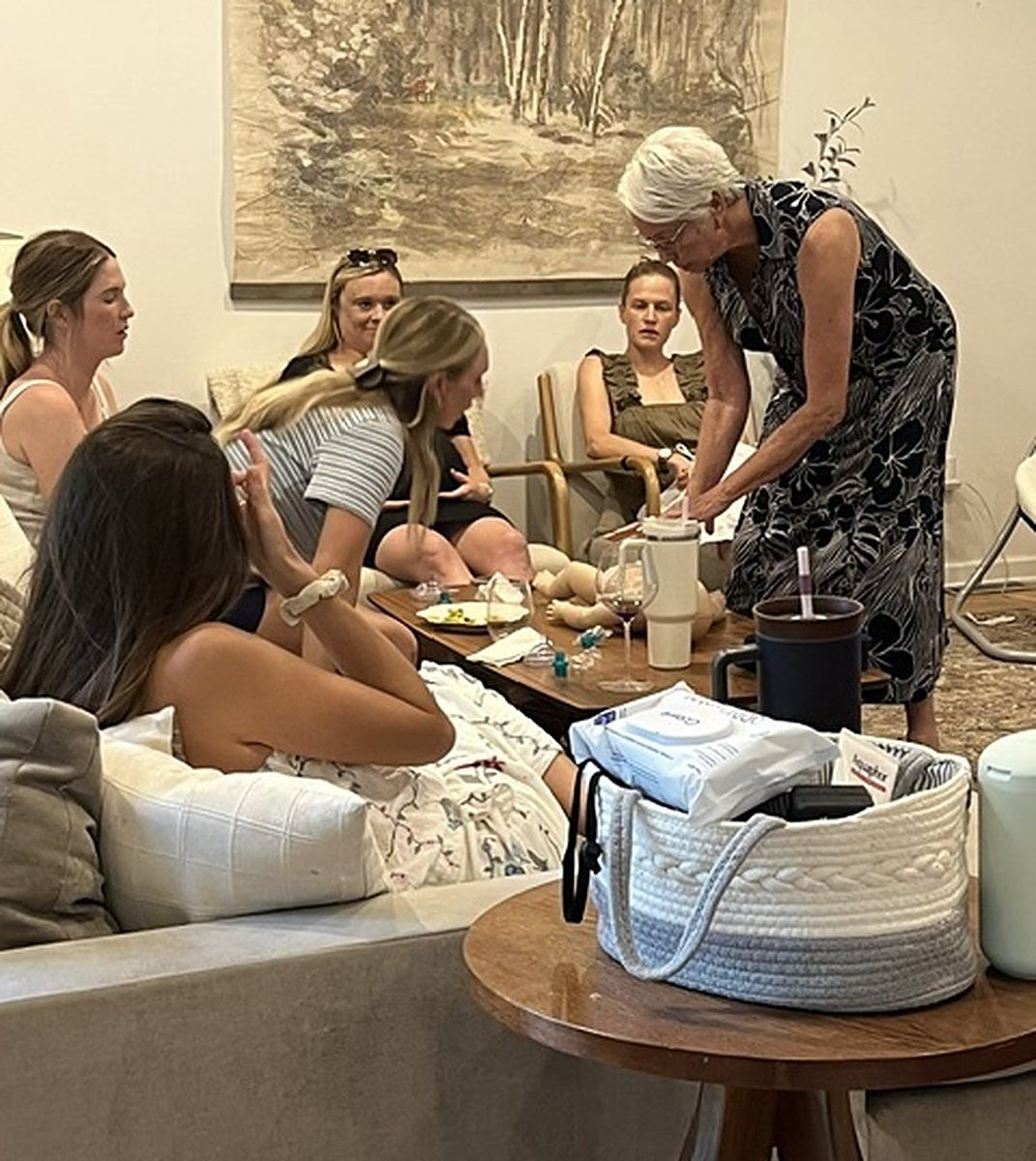
If you're booking a Heartsaver CPR class in Indianapolis, you'll see one extra decision on the price list: a $25 First Aid add-on next to the standard $99 class. It's easy to skip past without knowing what you'd be giving up, so here's what the add-on actually covers, who tends to need it, and how to decide before you book.
The standard Heartsaver class on its own already covers adult, child and infant CPR, AED use, and choking relief at every age. That's the course most people picture when they think "CPR class," and for a lot of people it's genuinely enough. The American Heart Association built the curriculum, and Tiny Hearts CPR teaches its Heartsaver CPR, AED and First Aid class in person at your location, whether that's a classroom, a staff room, or a church hall.
What the First Aid add-on covers that the standard class doesn't
Add First Aid and the class runs longer, usually 3 to 4 hours instead of a shorter standard session, because you're covering real ground: bleeding control, burns, allergic reactions, seizures, head injuries, and how to tell a sprain from an injury that needs an X-ray. None of that comes up in a CPR-and-choking class on its own. If a kid falls on the playground and splits an eyebrow, or a coworker has a severe allergic reaction at lunch, the standard class doesn't tell you what to do next. The add-on does.
Both classes end the same way: a same-day American Heart Association course completion card, good for two years, issued by Pam Goldsberry RN herself. She's dual certified in AHA and American Red Cross with more than 25 years of nursing experience, including labor and delivery, so the First Aid content isn't read off a slide. It comes from someone who has handled these situations herself.
Who actually needs the add-on
If your employer or a licensing body requires documented CPR and First Aid training together, the add-on isn't optional; check your specific requirement before you book, since districts and licensing bodies word it differently. Outside of that, the people who tend to want it are the ones who spend their day around kids or a crowd with no nurse or paramedic nearby: preschool and K-12 teachers and teaching assistants, daycare and childcare staff, camp counselors, coaches, church nursery volunteers, personal trainers, and foster or adoptive parents. If you're a healthcare professional, this isn't your course at all; Tiny Hearts CPR's BLS for Healthcare Providers class is the one built for you, at the same $99 price with a discount at six or more people.
If none of that describes you, the standard Heartsaver class is probably enough. A parent who just wants to be ready for a choking scare or an infant who stops breathing doesn't need bleeding control and burn care added on. Save the $25 and put it toward the class itself.
A note on acting at all
Indiana's Good Samaritan law protects people who act in good faith during an emergency, which matters once you've decided to add first aid skills to your toolkit: knowing what to do is only useful if you're willing to do it. Tiny Hearts CPR's guide to Indiana's Good Samaritan protections goes into that in more detail.
There's also a blended option for either class: complete the coursework online, then come in for a hands-on skills check for $88. That works for people who need the card but can't carve out a full afternoon, though a fully online course with no hands-on check usually isn't accepted by districts or licensing boards.
How to book
Classes run across Indianapolis and out through Hamilton, Hancock, Boone, Shelby and Johnson Counties, including Noblesville, Carmel, Fishers, Westfield, Geist, Broad Ripple, Zionsville, New Palestine, Greenfield, Shelbyville and Greenwood; see the full list of class locations. Call or text 317-820-8003, or use the contact page to ask Pam directly whether the First Aid add-on makes sense for your situation before you book. She'll tell you straight, and there's nothing to pay just to ask.
For general reference on first aid training standards, the American Heart Association's own CPR and first aid training site and the American Red Cross first aid course catalog both lay out what a complete first aid course should include, which is a useful way to double-check any add-on against a national standard before you pay for it.
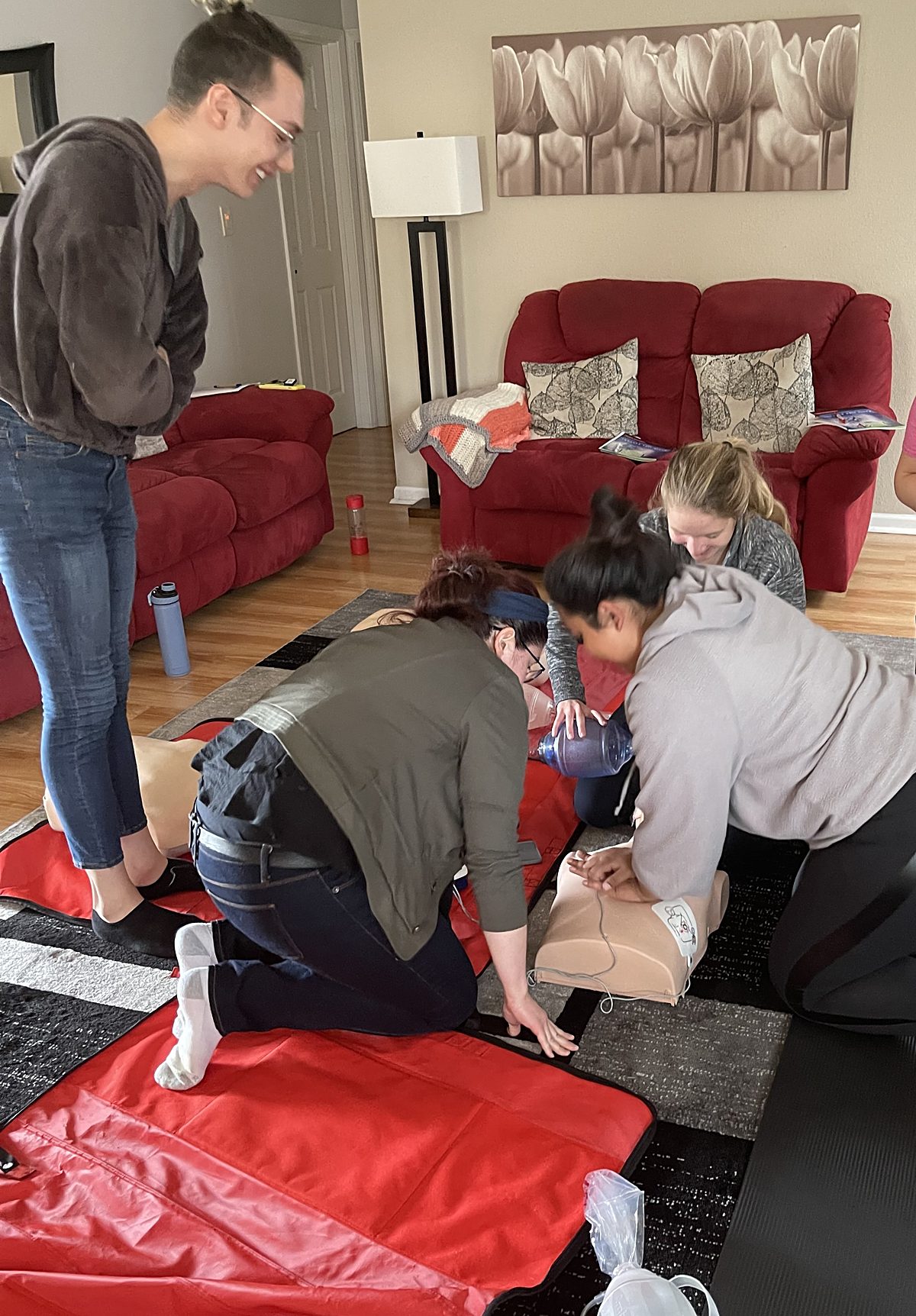
Reading gets the sequence into your head. It does not get it into your hands.
Every person in the room does every skill with their own hands, on a manikin, with a nurse watching and correcting. That correction is the part you cannot get from a page.
The next thing worth knowing.
Infant CPR depth, rate, and what changed in 2025
Read thisChokingWhat to do when a baby is choking
Read thisChoosingWhich CPR certification do you actually need?
Read thisReading is not training. When you want the hands on version, Pam teaches it in your own living room. See CPR parties, or call or text Pam at 317-820-8003.